 软玉 · 闪石族NEPHRITE · AMPHIBOLE
软玉(和田玉)NephriteCa₂(Mg,Fe)₅Si₈O₂₂(OH)₂ · Tremolite–Actinolite
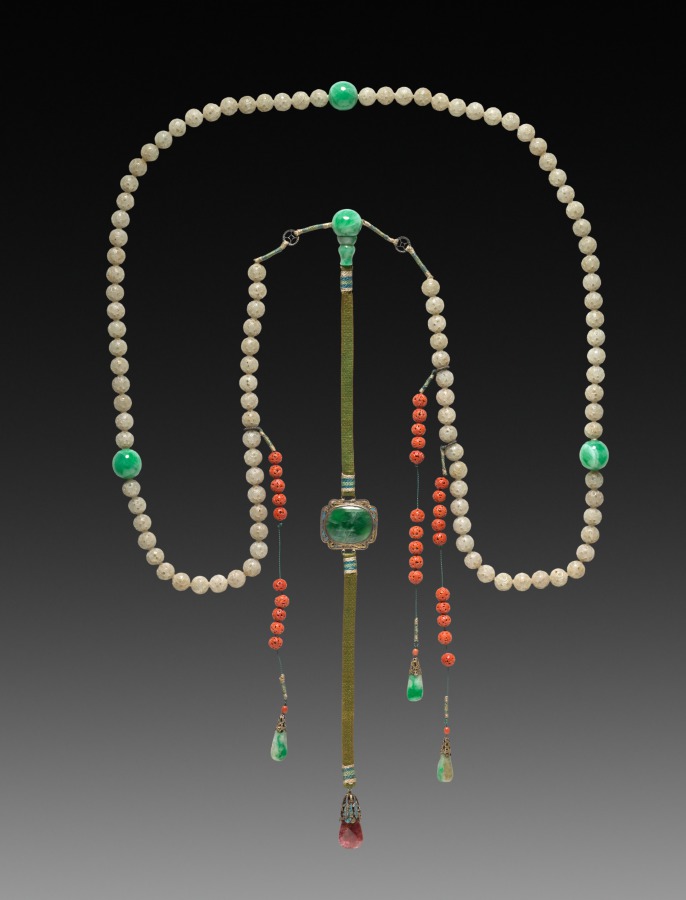
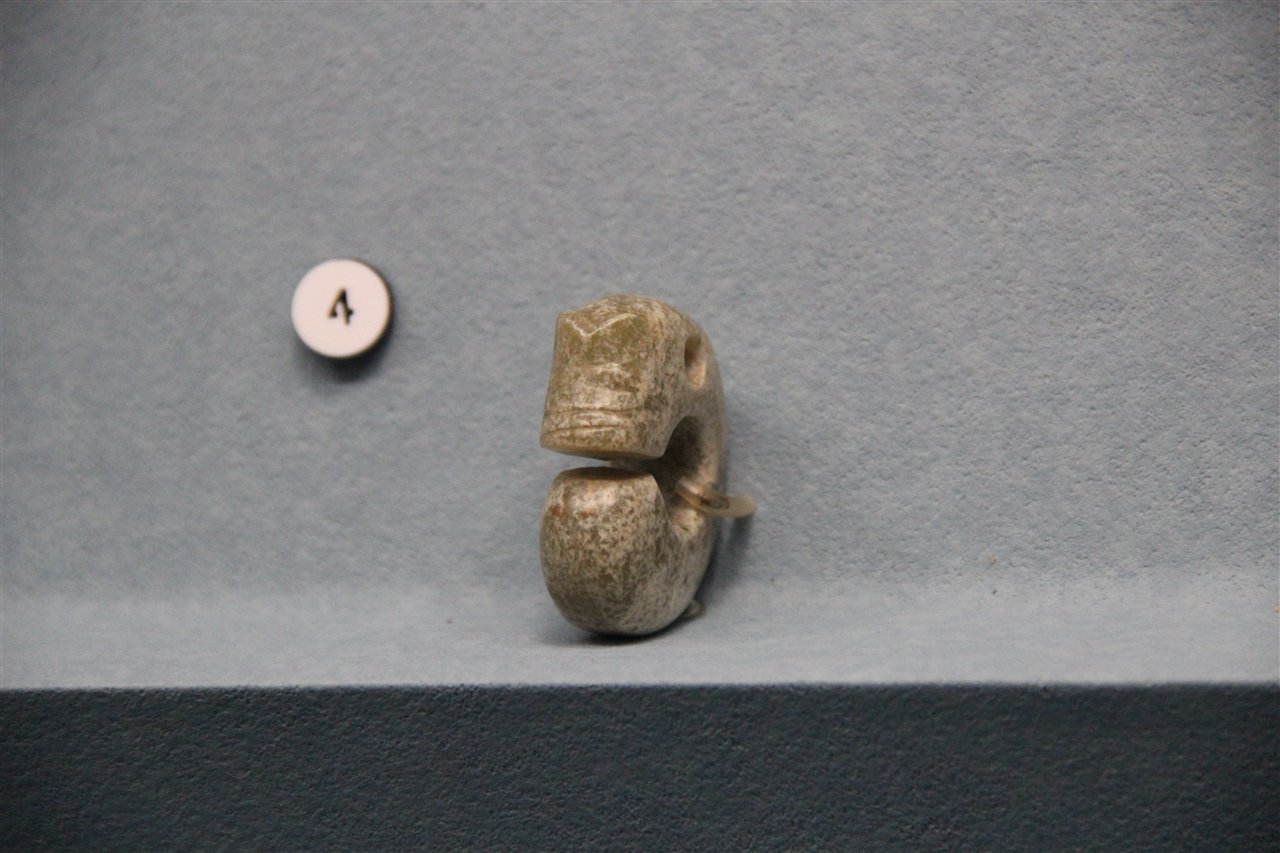
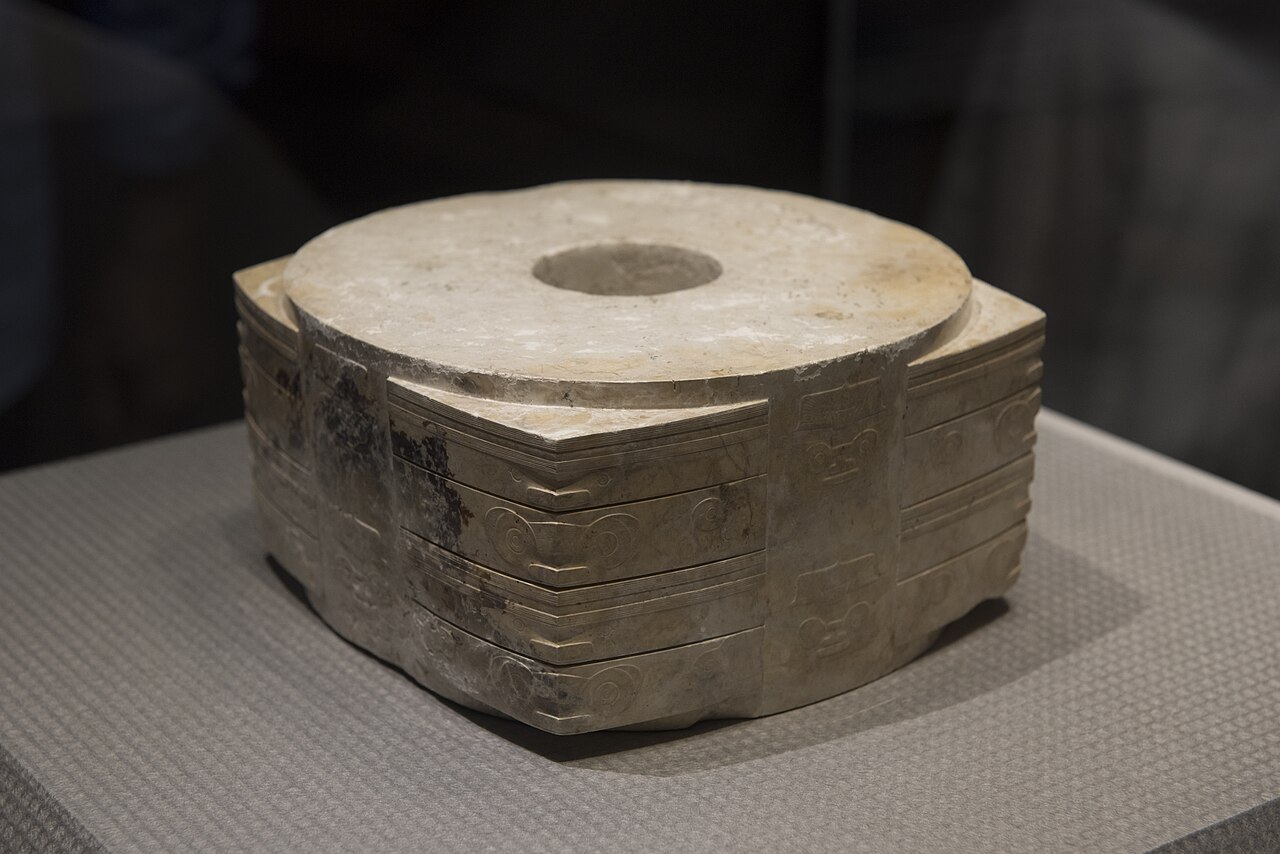
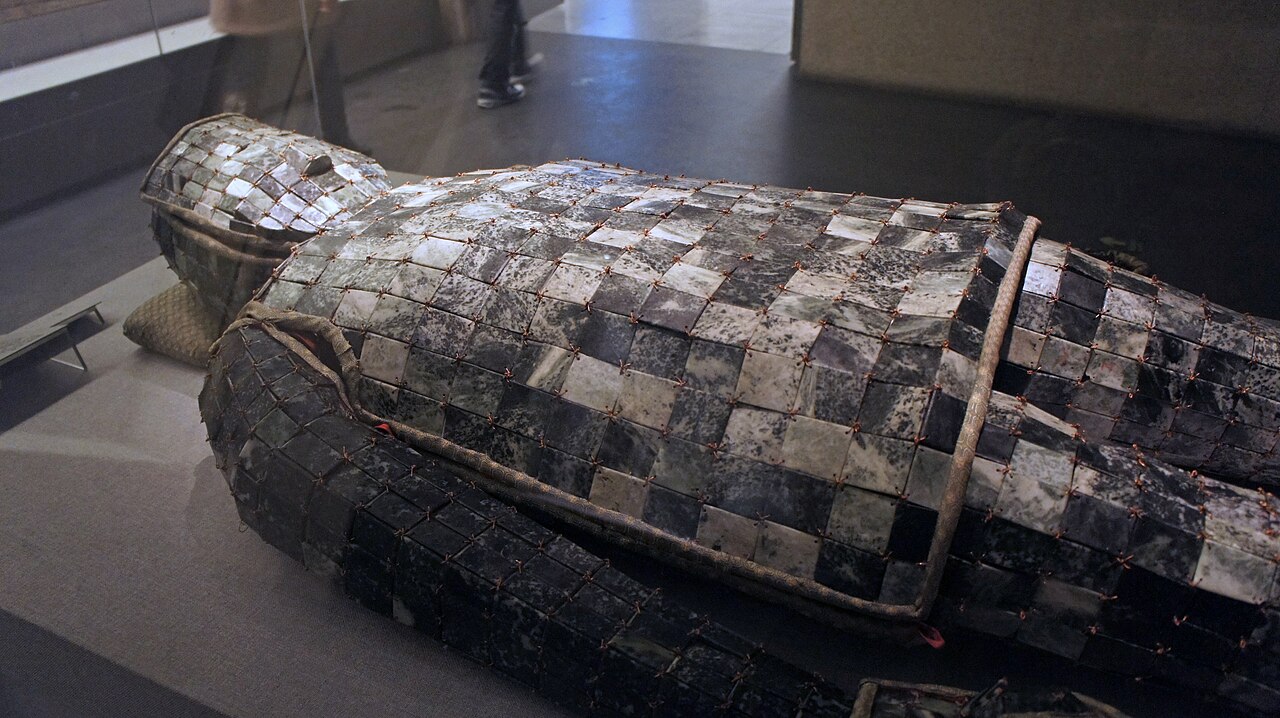
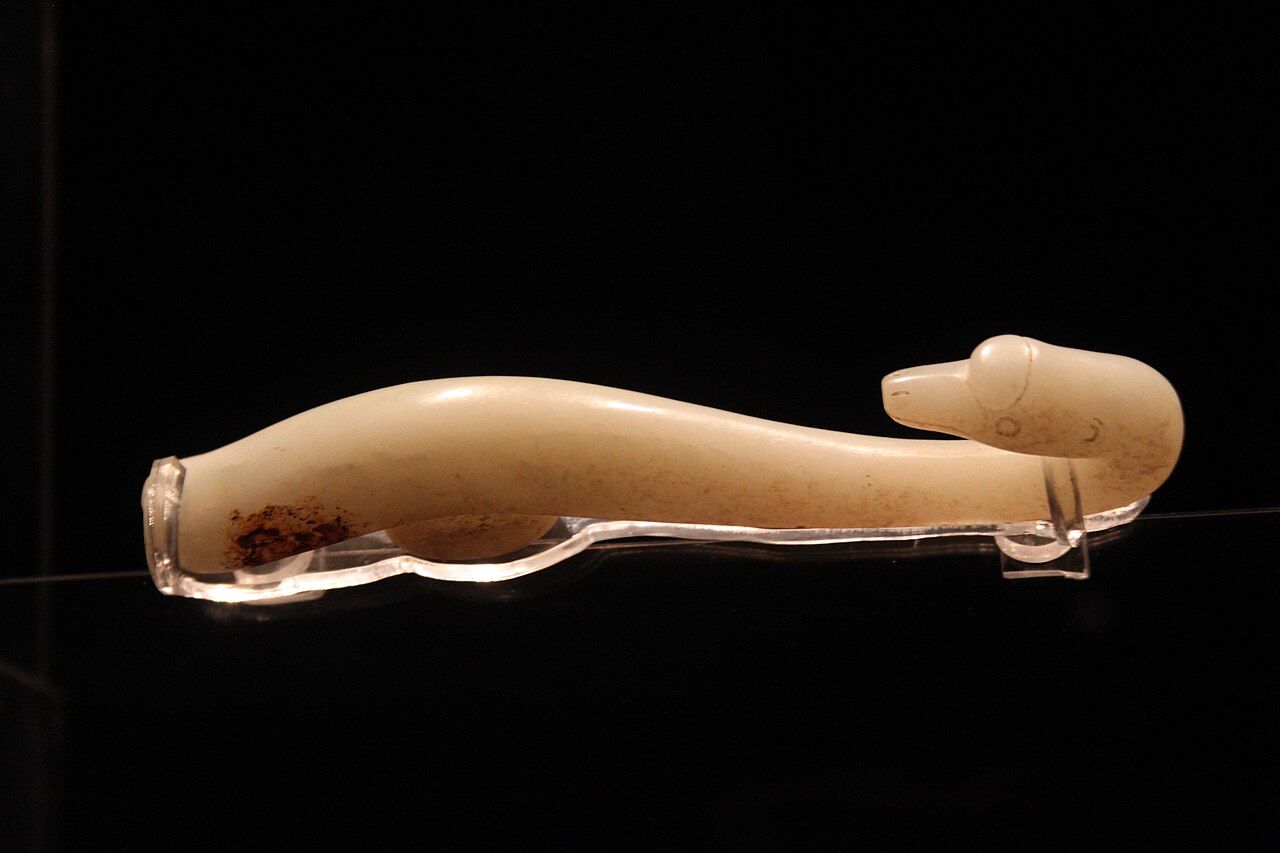
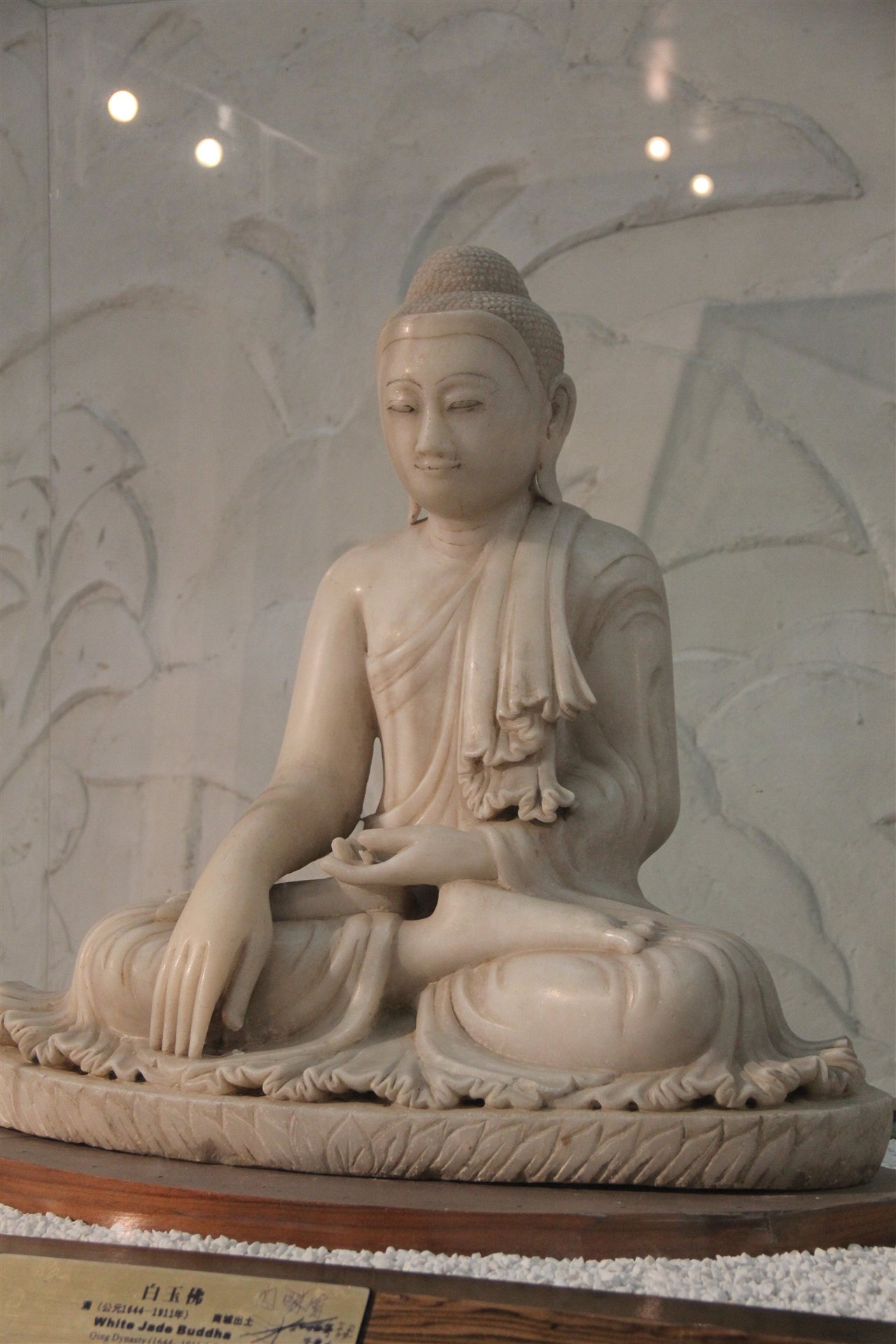
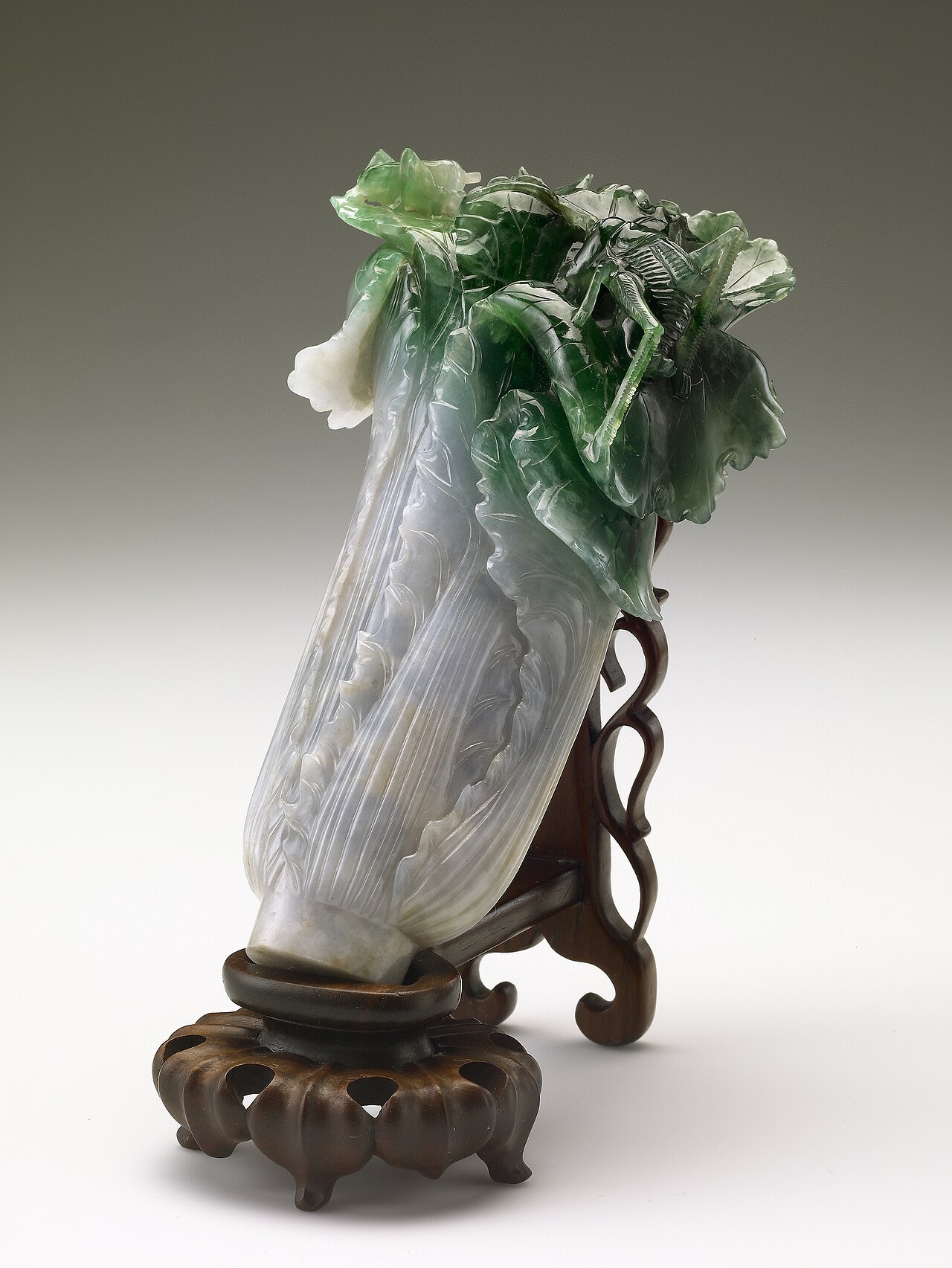
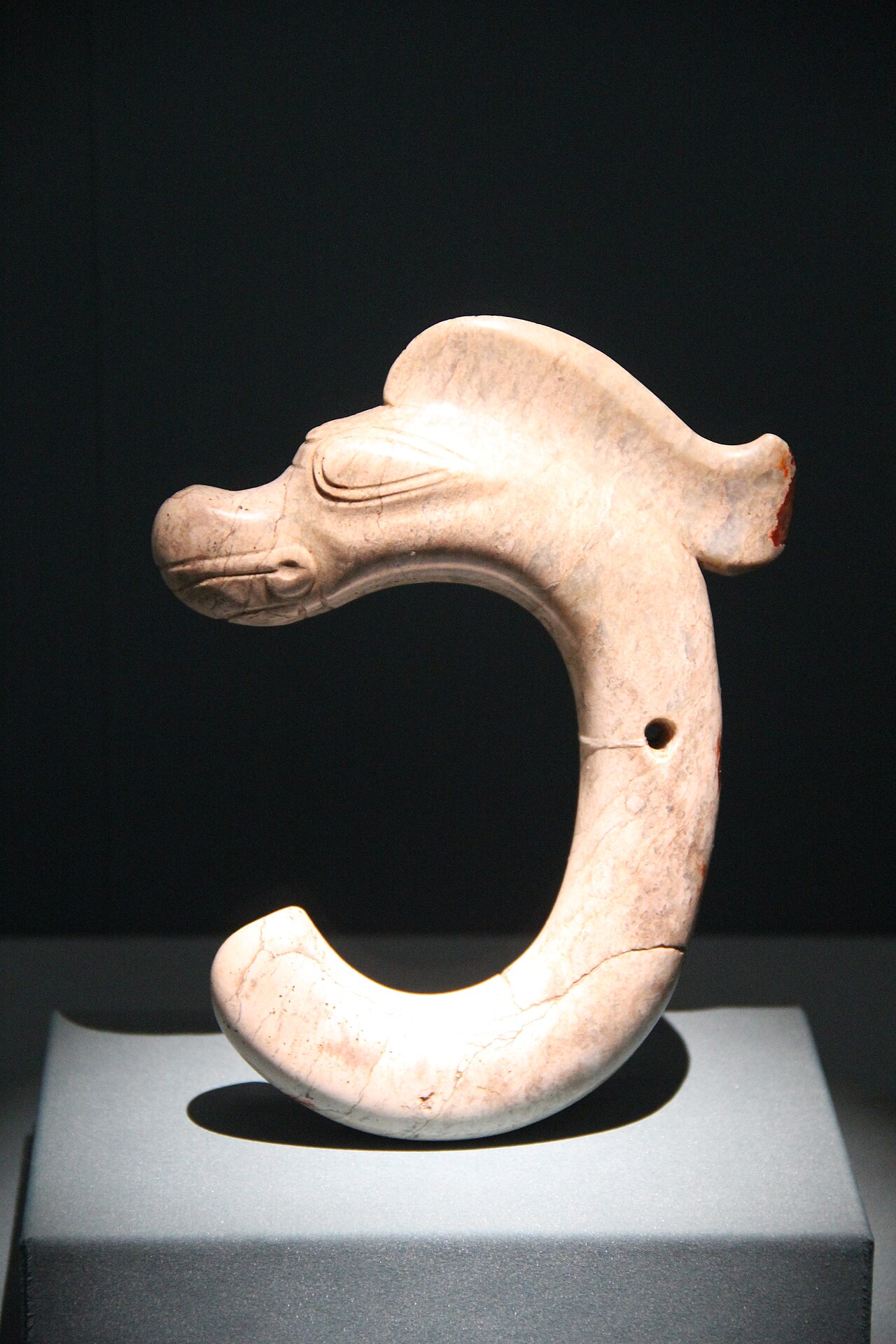
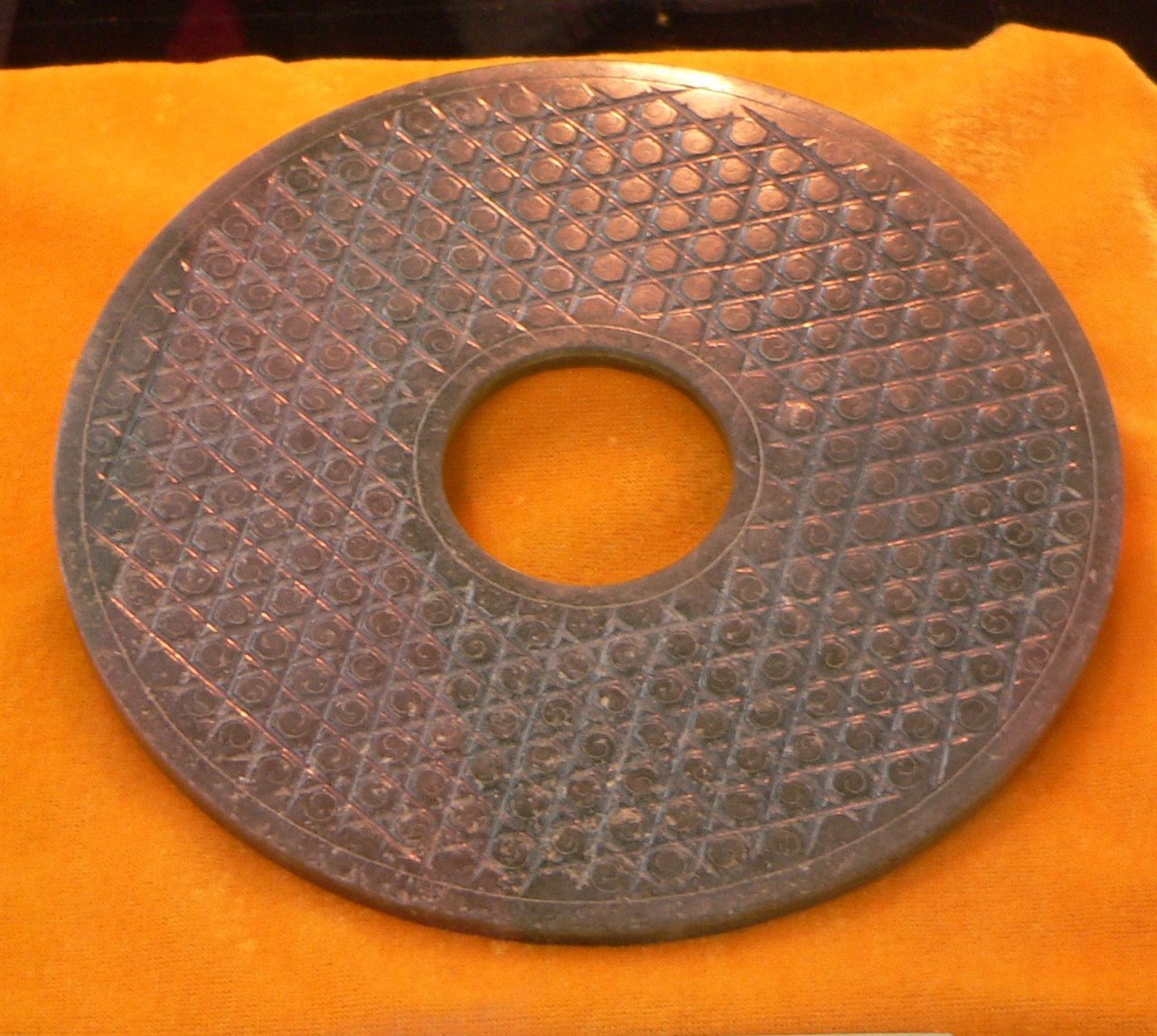
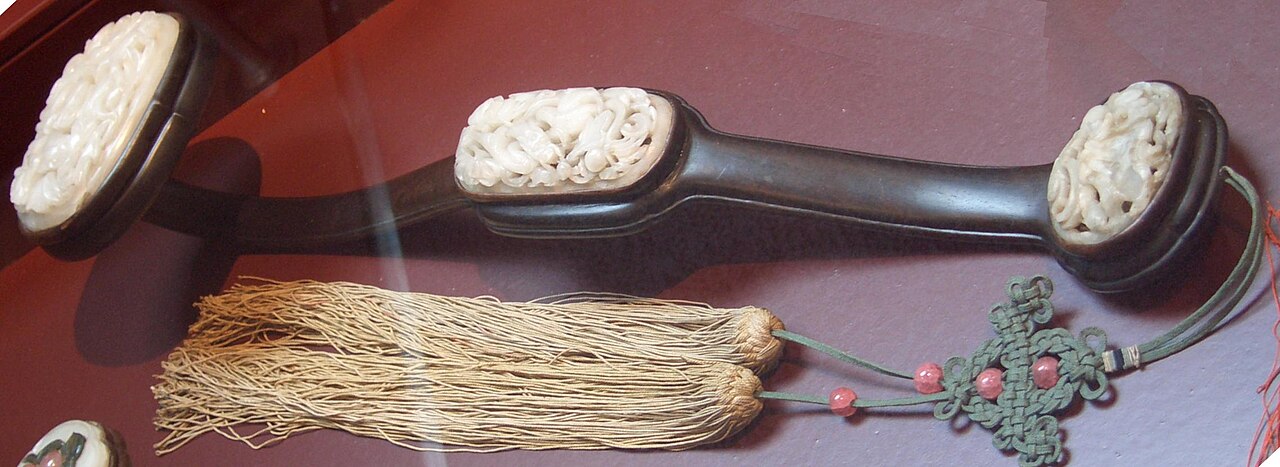
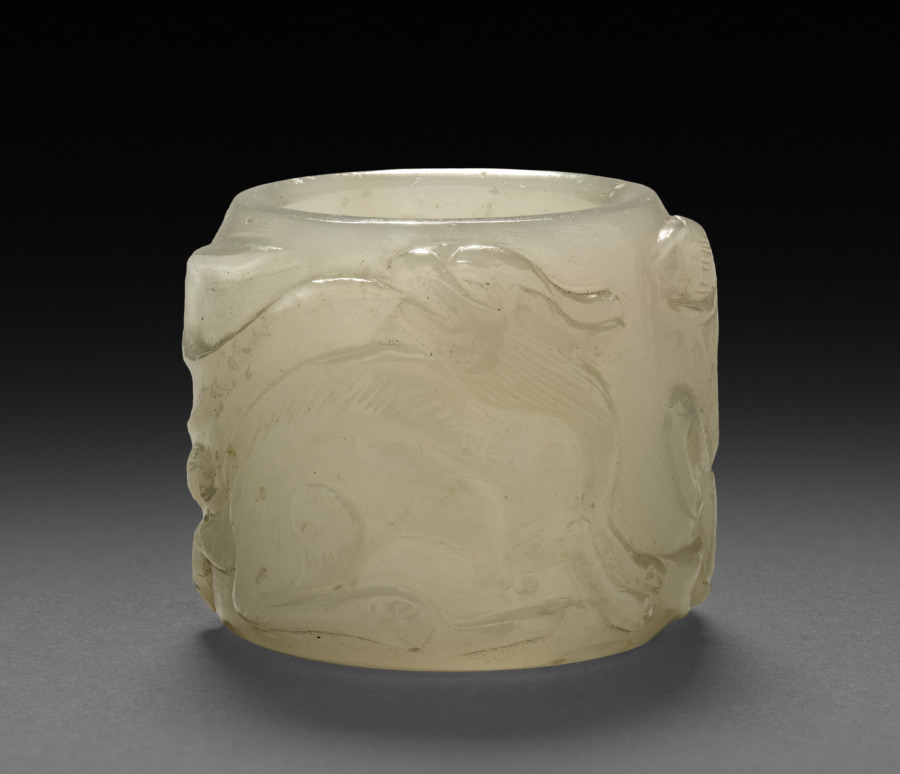
透闪石—阳起石系列矿物之致密块状集合体,纤维交织结构赋予其冠绝天然玉石的韧性。以新疆和田(昆仑山—玉龙喀什河)所产最负盛名,青海、俄罗斯、加拿大等地亦有产出。中国八千年玉文化之主体,皆系软玉。 A dense aggregate of the tremolite–actinolite series whose felted fibrous texture makes it the toughest of natural gem materials. The most celebrated source is Hotan, Xinjiang — the Kunlun range and the White Jade River — with deposits also in Qinghai, Russia and Canada. The main body of China's eight-thousand-year jade tradition is nephrite.
| 矿物族属Mineral group | 角闪石族Amphibole |
| 摩氏硬度Mohs hardness | 6 – 6.5 |
| 密度Specific gravity | 2.90 – 3.10 |
| 折射率Refractive index | 1.606 – 1.632 |
| 光泽Lustre | 油脂光泽Greasy / waxy |
图:白玉扳指 · 清 · 克利夫兰美术馆藏(CC0)Photo: white jade thumb ring, Qing dynasty · Cleveland Museum of Art (CC0)